This guide walks through practical, current strategies for shopping smarter, from the apps and tools worth using to the mindset shifts that make the biggest long term difference. Whether you’re trying to trim your grocery bill, rethink how you shop online, or just build better habits, you’ll find something here you can put to use today.



The Complete Guide to Shopping Smarter and Spending Less
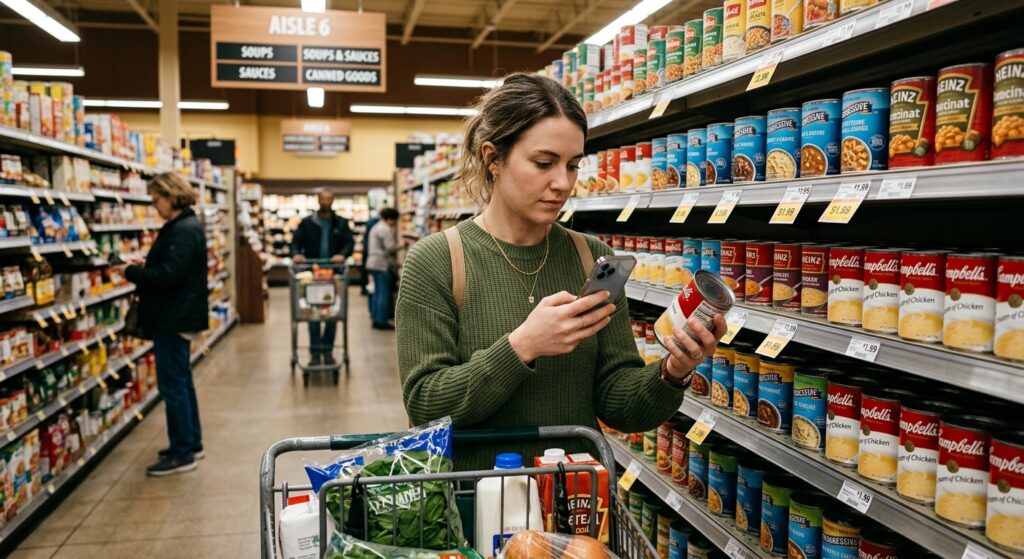
Why Smart Shopping Matters More Than Ever
Household budgets have been under real pressure for the past few years, and even as inflation has cooled from its peak, prices haven’t gone back down to where they used to be. That’s led to a noticeable shift in how people shop. Recent consumer research shows shoppers are comparing prices more carefully before buying, and value for money now competes directly with brand loyalty and convenience as the top purchase driver.
At the same time, the tools available to help you save have gotten a lot more sophisticated. Price tracking browser extensions, cash back apps, AI powered shopping assistants, and loyalty programs have all matured, which means there’s more opportunity than ever to shop well without spending hours hunting for deals. The trick is knowing which tools actually earn their place in your routine and which ones just add clutter.
Start With a Shopping Plan, Not a Shopping List
A shopping list tells you what to buy. A shopping plan tells you when, where, and how to buy it, and that distinction is where most of the savings actually happen.
Separate Needs From Wants Before You Shop
This sounds obvious, but very few people actually do it. Before you open a shopping app or walk into a store, take thirty seconds to sort your list into two categories: things you need this week and things you’d like to have eventually. Needs get bought now. Wants get parked on a running wishlist and revisited later, often once a sale rolls around or the initial urge to buy has faded.
Build a Simple Monthly Spending Framework
You don’t need a complicated budgeting system to shop smarter. A basic framework works well for most people:
- Set a rough monthly amount for groceries, household goods, and discretionary purchases
- Track spending weekly rather than daily, so small purchases don’t slip through unnoticed
- Review your biggest spending categories once a month and ask what’s actually adding value
- Give yourself a small, guilt free discretionary amount so the plan feels sustainable
Budgeting apps can automate a lot of this tracking, but even a simple notes app or spreadsheet works if you’re consistent with it. The goal isn’t perfection, it’s awareness. Most overspending happens when people lose track of where the money is going, not because of one big purchase.
Timing Is Everything: When to Buy for the Best Prices
Retailers follow predictable pricing cycles, and once you know them, you can plan bigger purchases around the moments when prices are naturally lower.
Seasonal Sales Calendar
| Time of Year | What Tends to Go on Sale |
|---|---|
| January | Fitness gear, bedding, winter clearance, organizational products |
| Spring (March to May) | Outdoor furniture, gardening supplies, spring clothing |
| Summer (June to August) | Mattresses, major appliances, patio and grill equipment |
| Back to school (August) | Electronics, laptops, school and office supplies |
| November | Black Friday and Cyber Monday deals across nearly every category |
| December to early January | Holiday decor, winter apparel, post holiday clearance |
Beyond seasonal patterns, many retailers also run smaller promotional cycles throughout the month, often tied to paydays or mid month slow periods. If a purchase isn’t urgent, it rarely hurts to wait a week or two and see whether a sale materializes.
How Retail Shopping Habits Are Shifting
It’s also worth understanding the bigger picture of how people are shopping right now, since it affects where the best deals tend to show up. Retail research suggests that even though a large share of shopping journeys start online, the majority of actual spending by dollar value still happens in physical stores, and mall foot traffic has stabilized or grown in certain segments as retailers lean into experience focused shopping. At the same time, social platforms are becoming a bigger part of product discovery, particularly for younger shoppers, with a meaningful and growing share of online sales now happening directly through social commerce and livestream shopping events.
What that means for you as a shopper is that deals aren’t confined to one channel anymore. A discount code you see on social media, an in store clearance markdown, and an online flash sale can all be worth checking before you commit to a purchase, especially for anything above a routine grocery run.
Tools and Apps That Actually Help You Save
There’s no shortage of savings apps competing for a spot on your phone, but not all of them are worth your time. Here’s a breakdown of the categories that genuinely move the needle.
Cash Back and Rebate Apps
Cash back apps have become a mainstream part of online shopping, and platforms like Rakuten, Ibotta, Fetch, and Capital One Shopping remain some of the most widely used options. They work by giving you a small percentage back, often between one and ten percent, when you shop through their portal or browser extension before checking out. Some, like Ibotta, focus more on grocery rebates tied to specific products, while others like Rakuten are built around online retail purchases.
A few practical notes if you’re using these apps:
- Activate cash back before you start browsing, not after you’ve added items to your cart
- Most portals only let one browser extension “win” the tracking credit, so avoid running two at once for the same purchase
- Payout timing varies by app: some portals like Rakuten pay quarterly, while others like Ibotta offer instant payouts to PayPal or Venmo once you hit the minimum threshold (often $20), so treat cash back as a bonus that may not be immediately accessible
- Read the terms on returns, since a returned item usually reverses any pending cash back
Price Comparison and Price Tracking Tools
Price tracking browser extensions can automatically apply coupon codes at checkout and alert you when an item’s price drops or has historically been lower. These tools are especially useful for bigger purchases like electronics or furniture, where prices fluctuate more and the potential savings are larger. Before buying anything over a certain dollar amount, it’s worth a quick check to see the item’s price history rather than assuming a “sale” price is actually a good deal.
AI Shopping Assistants Are Changing How People Research Purchases
One of the more noticeable shifts in how people shop is the growing use of AI tools for product research. Recent 2026 consumer research found that 45% of shoppers use AI during their buying journey, including for product discovery and comparison. This can genuinely save time and help you avoid impulse buys, since you’re doing more upfront research instead of browsing endlessly. That said, it’s still worth double checking prices and specs directly on the retailer’s site, since AI generated summaries can occasionally be out of date.
Loyalty Programs and Store Apps
Store specific loyalty programs are often underrated compared to flashy cash back apps, but they can add up meaningfully if you shop at the same handful of retailers regularly. Many grocery chains and pharmacies now offer app exclusive coupons, fuel discounts, or point multipliers that stack on top of regular sales. If you have two or three stores you shop at consistently, it’s worth taking five minutes to set up their loyalty app and linking it to your usual payment method.
Stacking Savings Methods for Bigger Discounts
The biggest savings usually don’t come from any single app or trick. They come from layering a few methods on the same purchase. A common approach that experienced deal hunters use looks something like this:
- Start with a manufacturer or store coupon, if one is available
- Add a cash back portal or browser extension on top of that discounted price
- Pay with a rewards credit card that offers points or cash back on that spending category
- Check whether a loyalty program adds any additional points or perks for the same purchase
Not every retailer allows every combination, and some cash back portals explicitly block stacking with certain coupon codes, so it’s worth reading the fine print. But when it does work, stacking two or three of these methods on a single purchase can meaningfully lower the effective price without any extra effort beyond the initial setup.
Smarter Grocery Shopping Strategies
Groceries are one of the few expenses that hit almost every household weekly, which makes them one of the best places to build lasting savings habits.
Plan Meals Around What’s Already on Sale
Instead of deciding on meals first and then shopping for whatever ingredients they require, flip the process. Check your grocery store’s weekly ad or app, see what proteins and produce are discounted, and build your meals around those items. This single habit change is one of the most effective ways to lower a grocery bill without feeling like you’re sacrificing variety.
Buy Store Brands Where Quality Differences Are Minimal
Store brand and private label products have improved significantly in recent years, and for many staple items, from pantry basics to over the counter medications, the quality gap between name brand and store brand is small to nonexistent. Reserve name brand purchases for the specific items where you’ve noticed a real difference, and default to store brand everywhere else.
Shop With a List and a Full Stomach
This piece of advice is old, but it’s still true. Shopping hungry reliably leads to more impulse purchases, particularly around snack and convenience items. Sticking to a list, even a loose one, helps you stay focused and cuts down on the small unplanned purchases that quietly inflate a grocery bill.
Watch Unit Prices, Not Just Sticker Prices
Bigger packaging doesn’t always mean a better deal. Grocery stores typically post a unit price, usually per ounce or per item, on the shelf tag. Comparing that number rather than the total price on the label is the most reliable way to tell whether a larger size or a “bulk” deal is genuinely cheaper.
Time Your Grocery Trips Around Markdown Schedules
Many grocery stores mark down perishable items, like bakery goods, meat, and produce nearing its sell by date, at fairly predictable times, often in the early morning or late evening. If your store has a consistent pattern, timing a trip around it can turn up meaningful discounts on items you’d normally pay full price for. It’s also worth asking staff directly, since many stores don’t advertise their markdown schedule but will tell you if you ask.
Don’t Underestimate Smaller, Local Grocers for Certain Items
Large chain supermarkets aren’t always the cheapest option for every category. Ethnic grocery stores, local butchers, and farmers markets can sometimes beat big box prices on produce, spices, and specialty items, particularly when those items are imported or considered “specialty” at a mainstream chain. Splitting your grocery shopping across two stores takes a little more time, but it can lower your overall bill more than sticking to a single retailer out of habit.
Rethinking Online Shopping Habits
Online shopping has become so frictionless that it’s easy to buy on impulse without fully registering the cost. A few adjustments can make a real difference here.
Use the 24 Hour Rule for Non Essential Purchases
If something isn’t urgent, add it to a cart or wishlist and wait 24 hours before buying it. This small pause does a lot of work. It gives the initial excitement time to fade and gives you a chance to check for a better price elsewhere or decide you don’t actually want the item after all.
Be Cautious With Buy Now, Pay Later Services
Buy now, pay later options have become a common checkout choice at many major online retailers, and usage has grown quickly, with nearly half (47%) of Americans saying they have used a BNPL service at some point. These services can be a reasonable way to spread out the cost of a planned, budgeted purchase, but they carry real risk when used casually. Nearly half (47%) of BNPL users also report making at least one late payment in the past year, and it’s easy to lose track of multiple smaller installment plans running at once across different retailers. If you use BNPL, treat it the same way you’d treat any other form of credit: only for purchases you’ve already budgeted for, and never as a way to justify buying something you otherwise couldn’t afford.
Compare Total Cost, Not Just Item Price
Shipping fees, taxes, and membership costs can quietly erase a discount that looked good at first glance. Before checking out, it’s worth comparing the final total, including shipping, across two or three retailers rather than assuming the site with the lowest item price is actually the cheapest option overall.
Unsubscribe From Marketing Emails That Tempt You
Retailer emails are designed to create urgency, and constant exposure to “today only” and “flash sale” messaging makes it harder to stick to a shopping plan. Unsubscribing from the retailers you’re most tempted by, or routing promotional emails into a separate folder you check occasionally, removes a lot of day to day temptation.
Big Ticket Purchases: How to Save Without Cutting Corners
Large purchases, like furniture, appliances, electronics, or travel, deserve more research time than everyday items, simply because the dollar amounts involved are bigger.
Research Price History Before You Buy
Retailers frequently mark items up before a sale so the discounted price looks more impressive than it actually is. Price tracking tools that show historical pricing can help you spot whether a “sale” is a genuine deal or a marketing tactic.
Consider Refurbished or Open Box Options
For electronics in particular, certified refurbished or open box items from reputable retailers can offer significant savings with minimal added risk, since they typically come with the same warranty coverage as new items. It’s worth checking the retailer’s return policy and warranty terms before buying, but this category is often overlooked simply because “refurbished” sounds riskier than it usually is.
Negotiate When It Makes Sense
Negotiation isn’t limited to cars and real estate. Many retailers, especially for furniture, mattresses, and appliances, have more flexibility on price than shoppers assume, particularly around floor models, open box items, or end of season inventory. It rarely hurts to ask whether a better price is available, especially if you’re paying with cash or picking up the item yourself.
Ask About Price Matching
Many large retailers offer price matching, meaning they’ll match a lower price you’ve found at a competitor, sometimes even after you’ve already purchased the item, within a certain window. Policies vary quite a bit from store to store, including which competitors count and whether online prices are eligible, so it’s worth checking a retailer’s specific price match policy before assuming it applies to your situation. Keeping a screenshot or link to the lower price on hand makes the process faster if you do need to request a match.
Time Big Purchases Around Model Year Changeovers
For categories like electronics, cars, and some appliances, prices on the current model often drop noticeably once a manufacturer announces or releases a newer version. If you don’t need the absolute latest model, watching for these changeover periods, which often cluster in late summer and early fall for electronics, can lead to solid discounts on something that’s still fully capable for everyday use.
Building Long Term Habits That Stick
Individual tips and tools help, but the real savings come from habits that compound over time.
Automate What You Can
Set up automatic transfers into a savings account right after payday, before you have a chance to spend that money elsewhere. Even a small automatic transfer, paired with the savings from smarter shopping, adds up meaningfully over a year.
Review Recurring Subscriptions Regularly
Subscription services are one of the easiest expenses to lose track of. Set a recurring reminder every few months to review what you’re actually using, and cancel anything that’s no longer earning its place in your budget.
Track Your Progress, Not Just Your Spending
It’s motivating to see savings add up over time, whether that’s cash back payouts, money moved into savings, or simply a lower average grocery bill. Checking in on that progress periodically reinforces the habit and makes it easier to stick with, especially in months when it feels like nothing is working.

Common Shopping Mistakes That Quietly Drain Your Budget
- Buying in bulk for items you don’t use often enough to finish before they expire or go unused
- Chasing free shipping thresholds by adding items you don’t actually need
- Assuming a listed “original price” reflects what the item usually sells for
- Letting multiple small subscriptions run unchecked for months at a time
- Skipping price comparisons on higher cost items because research feels time consuming
- Using several buy now, pay later plans at once without tracking the combined monthly total
Frequently Asked Questions
What is the easiest way to start shopping smarter?
Start small. Pick one habit, like checking unit prices at the grocery store or waiting 24 hours before non essential online purchases, and build from there. Trying to overhaul every shopping habit at once tends to be harder to sustain than making one change at a time.
Are cash back apps actually worth using?
For most people who already shop online regularly, yes. The savings are usually modest, often a few percent per purchase, but since you’re earning them on purchases you were already going to make, there’s little downside as long as you’re comfortable with how the apps track your browsing during checkout.
Is buy now, pay later a good way to save money?
Buy now, pay later can help spread out the cost of a planned, budgeted purchase, but it isn’t a savings tool. It’s a form of short term credit, and research suggests a notable share of users end up making late payments or juggling multiple plans at once. It’s best used sparingly and only for purchases you’ve already accounted for in your budget.
Are store brand products actually as good as name brands?
For many everyday items, the difference is minimal, and store brands can be a reliable way to lower a grocery bill. That said, quality can vary by category and by store, so it’s reasonable to test a few store brand products before fully switching over, and to stick with name brands for the specific items where you notice a real difference.
How much can I realistically save by shopping smarter?
This varies a lot depending on your current habits and spending level, so it’s hard to promise a specific number. Many shoppers who consistently apply a few of these strategies, like planning purchases around sales, comparing unit prices, and using cash back tools, report noticeable reductions in monthly spending over time. The biggest gains usually come from consistency rather than any single trick.
Should I use multiple cash back or coupon apps at once?
You can, but it’s worth understanding how they interact first. Some cash back portals compete for the same tracking credit, so using two at once on the same purchase may mean neither one pays out. Stacking a cash back app with a rewards credit card, on the other hand, usually works fine since they track savings independently.
Final Thoughts
Shopping smarter isn’t about depriving yourself or turning every purchase into a research project. It’s about building a handful of consistent habits, planning ahead where it matters, using the right tools for the right situations, and paying attention to where your money actually goes. None of these strategies require a dramatic lifestyle change, and most of them take less effort than people expect once they become routine.
Start with one or two changes from this guide, whether that’s setting up a cash back app, planning meals around sales, or giving yourself a 24 hour buffer before online purchases. Small, consistent adjustments tend to outlast any single big effort, and over months and years, they’re what actually move the needle on how much you spend.
Please login to post a comment.
Welcome to Couponterritory, your go-to source for the finest discounts, daily deals, and promotions! We're committed to helping you save big on your favourite products by bringing you the most recent discounts and special deals. Whether you're shopping for necessities or rewarding yourself, we make it simple to get the best deals all in one place. Begin saving now with Couponterritory!
Useful Links
Quick Search
Join our newsletter
We write rarely, but only the best content.
We'll never share your details. See our Privacy Policy
