


How to Compare Products Like an Expert Before You Buy
You know the feeling. You open a dozen browser tabs to shop for a new laptop, vacuum, or pair of headphones, and forty minutes later you are more confused than when you started. Every product claims to be the best. Every review site crowns a different winner. The specs look almost identical, yet the prices are miles apart.
Here is the good news. Expert shoppers, the kind who rarely regret a purchase, are not smarter than everyone else. They simply follow a repeatable process. They know what they need before they look at a single listing, they read specifications with a healthy dose of skepticism, and they treat reviews as evidence rather than gospel.
This guide walks you through that process step by step. You will learn how to compare products online and in stores, how to judge reviews, how to work out what something will really cost you over time, and how to use newer tools like AI shopping assistants without being misled by them. Whether you are buying a phone, an appliance, a mattress, or software, the same principles apply.
Why Comparing Products Matters More in 2026
Shopping has never offered more choice, and that is exactly the problem. Online marketplaces list thousands of near identical items from brands you have never heard of. Manufacturers release new model years so quickly that last year’s flagship sits next to this year’s version at a very different price, often with only small differences between them.
A few trends make careful comparison especially valuable right now:
- More sponsored and affiliate content. Many “best of” lists earn a commission when you click through. That does not make them dishonest, but it does mean you should understand how a site makes money.
- AI generated summaries and reviews. Search engines and shopping platforms increasingly offer AI summaries of products. They can save time, but they can also repeat errors, blend information from different models, or in some cases surface cloned or fraudulent stores. Regulators in multiple countries have recently introduced strict rules banning fake and AI‑generated reviews, with significant penalties for violations. Even so, independent measurements still find suspicious or AI‑generated reviews on major platforms, so cross‑checking remains essential.
- Hardware tied to subscriptions. Printers, smart home devices, fitness trackers, and even some cars now have features that may require ongoing fees. The sticker price no longer tells the whole story.
- Shifting prices. Supply chain changes and trade policy have moved prices in some categories, so a price that looks like a bargain might simply be the normal price. Price history matters.
- Longer software support becoming a selling point. Many phone and laptop makers now advertise how many years of updates they will provide. That is a genuine quality signal worth comparing.
Comparing well is not about spending hours on research for every purchase. It is about knowing which few things to check so you can decide with confidence and move on.
Step 1: Define What You Actually Need
Almost every bad purchase starts the same way. The buyer began by browsing products instead of thinking about their own situation. Marketing is designed to make you want features you never asked for, so start with yourself.
Write down your real use case
Ask what job the product needs to do and where you will use it. A laptop for editing video has very different needs from one used for email and streaming. A blender for smoothies is not the same as one for crushing ice and making soup every day. Write one or two sentences describing how you will use the item in an ordinary week.
Separate must haves from nice to haves
Make two short lists. Must haves are the features that would make the product useless if they were missing. Nice to haves are extras you would enjoy but could live without. This simple split protects you from paying more for features that sound impressive but will rarely get used.
Set a realistic budget range
Instead of one fixed number, set a comfortable range and a hard ceiling. The range gives you room to consider a slightly better option if it clearly solves a problem for you. The ceiling keeps you from drifting upward one small upgrade at a time. If you are making a large purchase, consider whether it fits comfortably within your finances, and speak with a qualified professional if you need personal financial guidance.
Step 2: Build a Simple Comparison Framework
Experts do not rely on memory. They put the options side by side in a simple scorecard, which turns a foggy feeling into something you can actually see. You can use a notes app, a spreadsheet, or a piece of paper.
Pick three to five products to compare. Fewer than three does not give you enough contrast, and more than five usually leads to overload. Then list the criteria that matter for your use case and give each one a weight based on how important it is to you.
Here is an example of how a scorecard might look for someone choosing a robot vacuum. The scores are illustrative only.
| Criteria | Importance (1 to 5) | Product A | Product B | Product C |
|---|---|---|---|---|
| Cleaning performance on my floor type | 5 | 4 | 5 | 3 |
| Noise level | 3 | 3 | 2 | 4 |
| Cost of replacement parts | 3 | 4 | 2 | 4 |
| Warranty and support | 4 | 4 | 3 | 3 |
| Price | 4 | 3 | 2 | 5 |
Multiply each score by its importance, add up the totals, and you have a clearer picture of which product suits you best. The math does not need to be perfect. The real value is that the process forces you to notice trade offs you might otherwise ignore.
Step 3: Read Specifications the Way Experts Do
Specification sheets are useful, but they are also written by the people selling the product. Learning to read them critically is one of the biggest skills separating casual shoppers from expert ones.
Focus on specs that affect real world use
Some numbers matter a great deal and others mostly exist to look impressive. Camera megapixels, for instance, say very little about photo quality on their own, because sensor size, lens quality, and image processing all play a major role. Suction power ratings, peak wattage, and maximum brightness figures can also be measured in ways that flatter the product.
Ask yourself a simple question about each spec: how would this change my daily experience? If you cannot answer, it probably should not carry much weight in your decision.
Check how a claim was measured
Battery life is the classic example. A manufacturer may test under light, ideal conditions that are unlikely to match how you use the device. Look for independent testing that describes its method, and be cautious with claims that have no context, such as “up to” figures or “all day” promises.
Compare like with like
Model names can be confusing on purpose. Two products with nearly identical names may have different processors, storage, materials, or features. Retailers sometimes sell special versions of popular models that differ from the version reviewed by testers. Always confirm the exact model number before you rely on a review or a price comparison.
Pay attention to what is missing
If a listing is vague about something you care about, that is worth noting. Missing information about materials, certifications, compatibility, or included accessories can be a sign to ask questions or look at another option. When a product supports a claim you care about, such as a safety standard or energy rating, look for the actual certification detail rather than a generic badge.
Step 4: Judge Reviews and Ratings Critically
Reviews are among the most powerful tools a shopper has, and also among the easiest to misread. A 4.6 star average sounds great until you realize how little it tells you on its own.
Look beyond the star average
Read how the ratings are distributed. A product with mostly five star and one star reviews, and very little in between, often points to a quality control issue or a mismatch between expectations and reality. A product with a steady spread of four and five star ratings and a few honest complaints usually deserves more trust.
Read the three star reviews first
Middle ratings are often the most balanced. Reviewers who give three stars tend to explain what they liked and what frustrated them, which gives you a realistic sense of the trade offs. Then scan the one star reviews for patterns. A single angry review may be an outlier, but ten reviews describing the same failure after six months is useful information.
Check when reviews were written
Products change over time. A brand might improve a design, or quietly cut costs on a later production run. Sort by newest and see whether recent reviews match older ones. This is especially important for items where quality can vary between batches.
Watch for signs of unreliable reviews
No single sign proves a review is fake, but several together should make you cautious:
- Many reviews posted in a short burst of time
- Generic praise with no detail about actual use
- Repeated phrases across different reviewers
- Reviews that mention a completely different product
- A sudden jump in ratings for a product that has been on sale for a long time
Some retailers and review analysis tools try to flag suspicious activity, and regulators in several countries have stepped up their focus on fake reviews. Even so, it is wise to combine several sources rather than relying on one.
Balance expert reviews with owner feedback
Professional reviewers typically test products in a controlled way and can compare many models against each other. Owners tell you what it is like to live with the product for months or years. You need both. When you read a professional review, check whether the publication explains how it tests products and how it earns revenue. Transparent testing methods and clear disclosure are good signs.
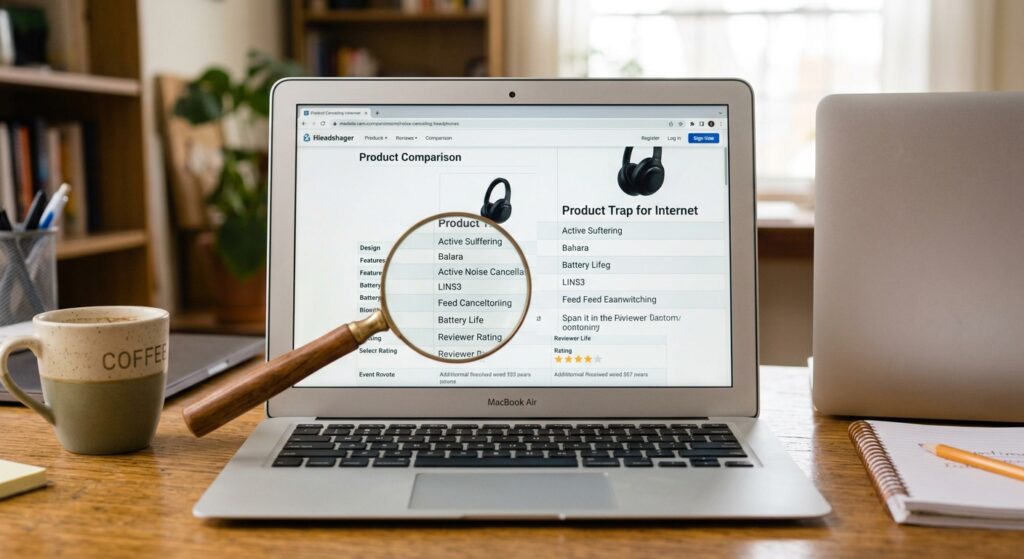
Step 5: Calculate the Total Cost of Ownership
The price on the tag is only the beginning. Total cost of ownership is the full amount you are likely to spend over the time you use a product, and it often changes which option is actually cheapest.
Consider these costs before you decide:
- Consumables and refills. Printer ink, water filters, razor blades, and coffee pods can cost more over time than the device itself.
- Energy use. For appliances that run often, check the energy rating and estimate the running cost using your local electricity price.
- Subscriptions and fees. Some products lock certain features behind a monthly or yearly plan. Read the fine print about what is included.
- Accessories. Cables, mounts, cases, or adapters that are not in the box can add up quickly.
- Maintenance and repairs. Consider how easy and affordable it is to replace batteries, filters, or worn parts.
- Resale or trade in value. Some brands hold their value well, which can offset a higher purchase price.
A simple example: a cheaper printer that uses expensive cartridges may cost more over three years than a pricier model with cheaper refills. The same logic applies to many products. Do a rough estimate over the period you expect to own the item. It does not have to be exact to be useful.
Step 6: Check Warranty, Support, Repairability, and Software Updates
Two products can look identical on paper and still offer very different ownership experiences. What happens after the sale often separates a good buy from a frustrating one.
Warranty terms
Look at how long the warranty lasts, what it covers, and what it excludes. Some warranties cover defects but not accidental damage. Others require you to register the product or use approved service centers. Consumer protection rules differ by country and region, so check what your local laws provide in addition to the manufacturer’s promise.
Customer support quality
Search for the brand name along with words like “support” or “warranty claim” and see what real customers report. Consistent stories about slow replies or difficult claims are worth taking seriously. Positive stories about quick replacements can be a good sign.
Repairability and spare parts
Right to repair has moved from discussion to law in many markets. In the U.S., a growing number of states have enacted electronics right‑to‑repair statutes, with several already in force and more following. In the EU, a new directive on common rules promoting the repair of goods now requires manufacturers to repair certain goods on request, make spare parts and repair information available, and grant an extended warranty period after in‑warranty repairs. For you as a buyer, the practical question is simple: if something breaks or wears out, can it be fixed at a reasonable cost, and are parts available? Independent repairability scores and teardown reviews, where they exist, can help.
Software update commitments
For phones, tablets, laptops, smart home devices, and connected appliances, ask how long the manufacturer promises to provide security and software updates. A device that stops receiving updates may become less secure and less compatible over time. Where a company states a specific update period, compare it across brands.
Step 7: Compare Prices the Smart Way
Once you know which products fit your needs, it is time to find the right price. This is where patience and a few simple habits can make a noticeable difference.
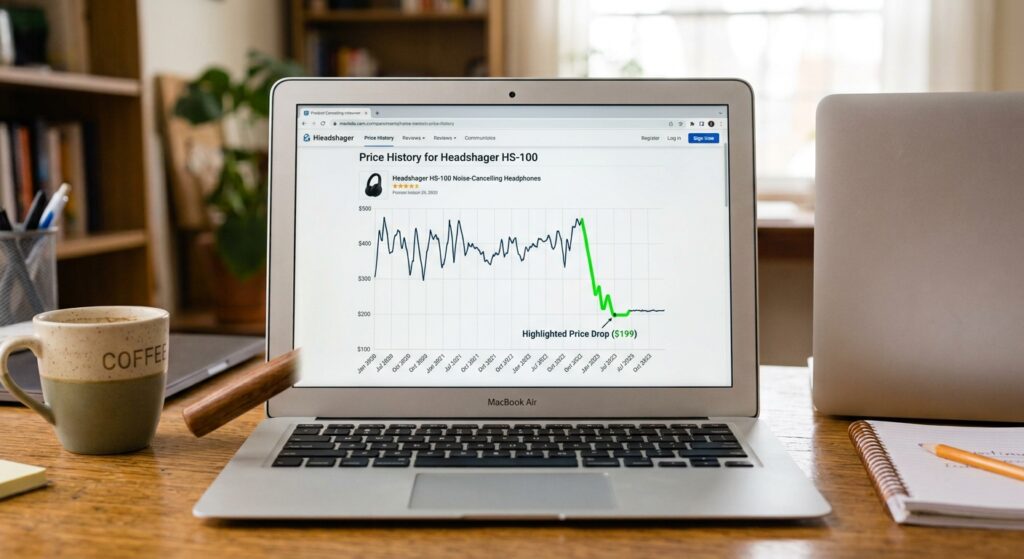
Check price history
Price tracking tools and browser extensions can show how the price of a product has moved over time. This helps you spot fake discounts, where a “sale” price is really the usual price. It also shows whether the item tends to drop during certain seasons or shopping events.
Compare the full price, not just the listed price
Add shipping, taxes, import fees, and any required accessories. A lower listed price from one seller can end up higher once the extras are included. Also check whether the seller is the retailer itself or a third party, since return handling and support can differ.
Read the return policy before you buy
A generous return window is a form of insurance. Check how long you have, whether returns are free, whether there are restocking fees, and whether opened items can be returned. For products you cannot properly evaluate until you use them, such as mattresses, shoes, or headphones, return terms can matter as much as the price.
Think about timing
Many product categories follow patterns. New model launches often push older models down in price. Big shopping events can bring real savings, though not always on the items you want. If you do not need the product urgently, waiting a few weeks may pay off. If you do need it now, do not let the hunt for a perfect deal cost you more in inconvenience than you would save.
Consider payment protections carefully
Some credit cards and payment services offer purchase protection, extended warranty, or dispute options. Terms vary widely and often come with conditions, so read the details from your provider rather than assuming coverage.
Step 8: Use AI Shopping Assistants and Comparison Tools Wisely
AI powered shopping tools have become a regular part of how many people research purchases. Search engines, retailers, and chatbots can now summarize product features, suggest alternatives, and even build comparison tables for you. Used well, they save time. Used blindly, they can lead you astray.
Here is a sensible way to use them:
- Use them to narrow the field. Ask for a shortlist based on your must haves and budget, then verify the details yourself.
- Confirm the specifications. AI tools can mix up model years, blend different versions of a product, or repeat outdated information. Check the manufacturer’s page for the exact model.
- Ask what the sources are. If a summary does not show where its claims came from, treat it as a starting point rather than an answer.
- Be aware of commercial influence. Some tools display sponsored or promoted results. Look for labels that show what is paid placement.
- Do not skip the human evidence. Long term owner experiences and independent testing still add context that a summary may leave out.
Think of these tools as a quick research assistant, not a final decision maker. You remain the one who knows your needs, your space, and your priorities.
Category Specific Tips for Comparing Products
The core method stays the same, but each category has its own quirks. Here are a few quick pointers.
Electronics and gadgets
Compare processor generation, memory, storage, display quality, battery life under realistic use, port selection, and update policy. Check whether storage or memory can be upgraded later, because some devices do not allow it. For accessories, confirm compatibility with the devices you already own.
Home appliances
Look at capacity, energy or water efficiency ratings, noise levels, and the size of the product compared with your available space. Measure your room, doorways, and delivery path before you order. Check how easy it is to get replacement parts such as filters, seals, and belts.
Furniture and mattresses
Materials, construction, and trial periods matter most. Read about the frame, joinery, and fabric rather than relying on style photos. For mattresses, compare trial length and return terms closely, because comfort is personal and can take time to judge. People with specific comfort or back related concerns may want to speak with a healthcare professional for guidance.
Software and subscriptions
Compare what each pricing tier includes, whether prices are shown monthly or billed yearly, how easy it is to cancel, and how your data can be exported if you leave. Free trials are useful, but set a reminder before they end so you are not charged unexpectedly.
Cars and other large purchases
For big ticket items, add extra layers of research. Look at reliability reports from reputable organizations, insurance and maintenance costs, financing terms, and independent inspections for used items. Consider getting advice from a qualified professional before committing to major financial or legal agreements.
Common Product Comparison Mistakes to Avoid
Even careful shoppers fall into a few predictable traps. Watch out for these:
- Buying the most popular option by default. Popular does not always mean best for you.
- Treating price as the only factor. The cheapest product can cost more once repairs, refills, and replacements are counted.
- Chasing specs you will never use. Extra power or features add cost without adding value if your use case does not need them.
- Ignoring the return policy. A flexible return option can rescue a purchase that does not work out.
- Trusting a single source. Cross check at least two or three independent sources before you decide.
- Falling for urgency tactics. Countdown timers and “only two left” messages are designed to hurry you. Take a breath and check the price history.
- Comparing different versions without realizing it. Always confirm exact model numbers.
- Forgetting compatibility. A great product that does not work with your existing setup is not a great purchase.
Your Quick Pre Purchase Checklist
Before you click the buy button, run through this short list:
- Have I written down what I need the product to do?
- Have I separated must have features from nice to have ones?
- Have I compared at least three options using the same criteria?
- Have I confirmed the exact model number in every review and price listing?
- Have I read a mix of expert reviews and recent owner reviews, including the critical ones?
- Have I estimated the total cost of ownership, including refills, fees, and accessories?
- Do I know the warranty terms, support reputation, and update policy?
- Have I checked the price history and the full cost with shipping and taxes?
- Do I understand the return policy?
- Would I still be happy with this choice if I waited a day?
If you can answer yes to most of these, you are ahead of the majority of shoppers.
Frequently Asked Questions About Comparing Products
What is the best way to compare two products?
Start by listing the features and qualities that matter most for your situation, then score each product against the same criteria. A simple side by side table works well. Include price, total cost of ownership, warranty, and support quality alongside the technical specifications so you get a complete picture.
How can I tell if online reviews are trustworthy?
Look for detailed reviews that describe real use, a natural spread of ratings, and consistent themes across different platforms. Be cautious about bursts of similar reviews posted in a short time. Combining independent expert testing with recent owner feedback gives you a more reliable view than any single source.
Should I always buy the cheapest option?
Not necessarily. A lower price can be a good deal, but it can also mean higher running costs, weaker support, or a shorter lifespan. Compare the total cost over the period you expect to use the product, and weigh that against how well it meets your needs.
How many products should I compare before buying?
Three to five is a practical range for most purchases. That is enough to see meaningful differences without causing decision fatigue. For expensive or long lasting purchases, it can be worth researching more deeply.
Is it worth paying more for a well known brand?
Sometimes. Established brands may offer better support, longer update policies, or easier access to parts, but this is not guaranteed. Check the actual warranty, reviews, and repair options instead of relying on the name alone. Lesser known brands can offer strong value, and they can also carry more risk, so research matters in both directions.
When is the best time to buy?
It depends on the category. Prices often fall when a new model is released or during major sales periods, but patterns vary. Use a price tracking tool to see how the product has been priced over time, and buy when the price meets your target or when you genuinely need it.
Can I trust AI shopping assistants to compare products for me?
They can be helpful for building a shortlist and explaining differences in plain language, but they can also make mistakes or rely on outdated information. Treat their answers as a starting point. Verify specifications on the manufacturer’s site, check the sources, and read independent reviews before you buy.
What should I check before buying a used or refurbished product?
Look at the seller’s reputation, the condition grading, what the warranty covers, and the return policy. Ask what has been tested or replaced, and confirm that the device is not locked or blocked from receiving updates. Refurbished items from reputable sellers often come with a warranty, which can offer extra peace of mind.
Final Thoughts: Buy With Confidence, Not Guesswork
Comparing products like an expert does not require special training or endless free time. It comes down to a handful of habits: know what you need, build a simple scorecard, read specs and reviews with a critical eye, think about the full cost of ownership, and check what happens after the sale. Add a bit of patience with pricing and a healthy amount of skepticism toward hype, and you will make better decisions almost every time.
The next time you feel overwhelmed by tabs and tempting deals, come back to the checklist above. A few minutes of structured comparison can save you money, time, and the quiet frustration of a purchase you wish you had thought through.
This article is for general information only and does not constitute financial, legal, or professional advice. Consumer rights, warranty rules, and return policies vary by country and retailer, so always check the current terms that apply to your purchase.
We write rarely, but only the best content.
